
You may not notice small bumps in your asphalt at first, but they often mean the pavement is already under stress. We can spot the key signs-raised areas, cracking patterns, and drainage changes-that tell us when asphalt needs attention.
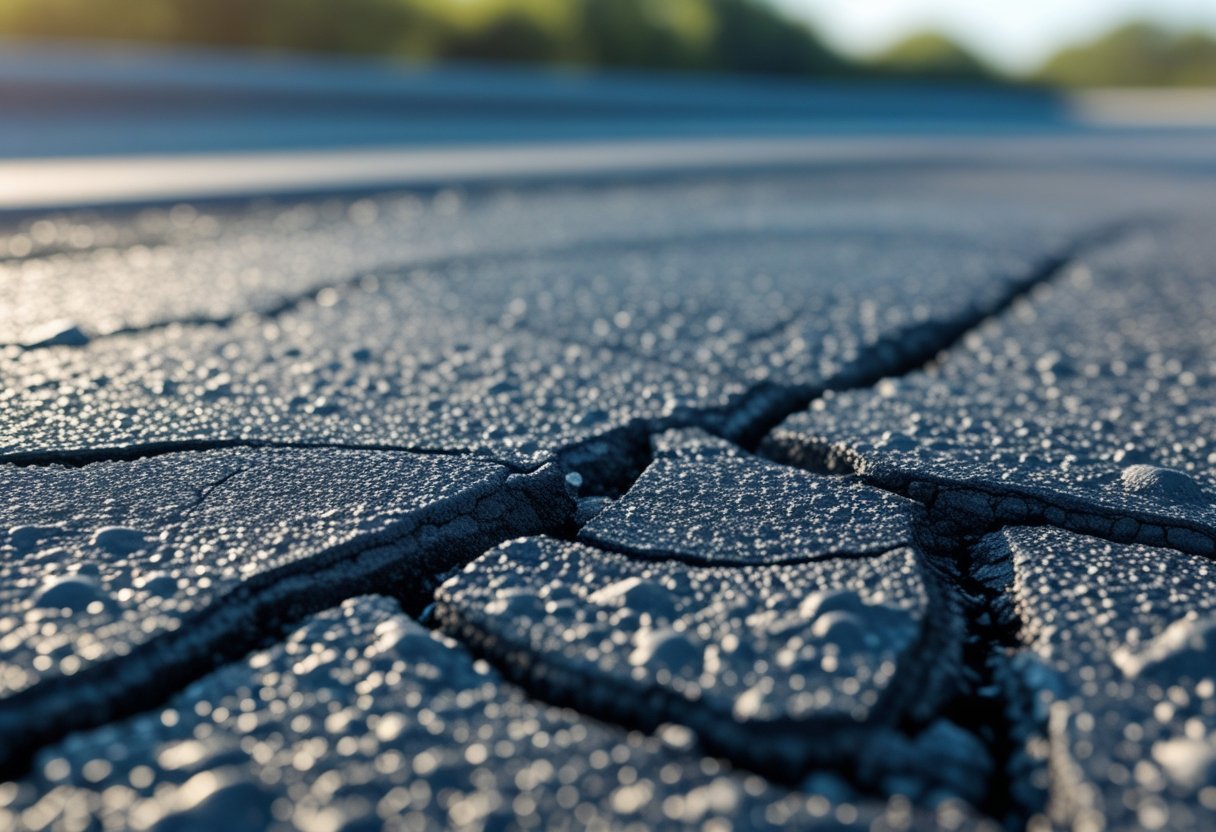
We will show how to identify surface bumps, what causes them, how they get worse, and when to call a pro. Knowing these signs helps us act quickly to prevent bigger damage and higher repair costs.
Identifying Surface Bumps and Asphalt Distress
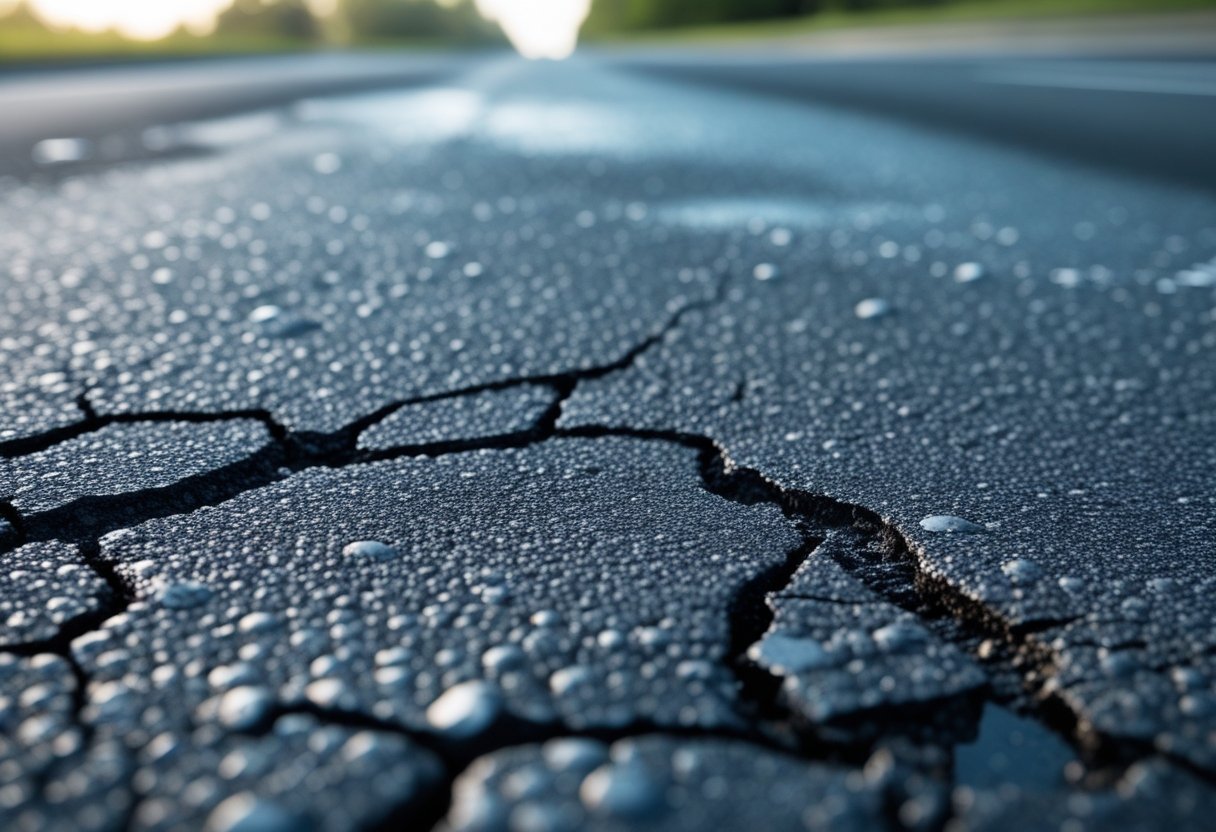
We will point out the most common surface irregularities, early warning signs, and what you can see or feel when asphalt loses strength. This helps you spot problems before they get worse.
Common Types of Surface Irregularities
- Potholes: Circular or irregular holes where asphalt has broken away. They often start small near seams and grow as water and traffic remove material.
- Sunken areas (depressions): Local low spots where the asphalt or base has settled. These trap water and speed up pavement failure.
- Surface bumps and humps: Raised areas from underlying soil heave, tree roots, or poor compaction. They create uneven surfaces and stress adjacent pavement.
- Longitudinal and transverse cracks: Cracks along the pavement that can widen into rough seams and cause chunks to lift.
- Alligator cracking: Network of interconnected cracks that indicate failing structural integrity of the asphalt pavement.
We list these so you can match what you see to likely causes and decide how urgently to act.
Recognizing Early Signs of Compromised Asphalt
Look for small changes before major damage appears. Thin hairline cracks near joints and seams show the asphalt binder is fracturing. These often appear first in wheel paths.
Notice slight sinking around drains or edges; that suggests base material loss and lower structural integrity. Feel for rough seams where patches meet original pavement-those seams open faster under traffic.
Watch for isolated raised spots after freeze-thaw cycles or root growth. Even a few raised areas mean the surface is uneven and may soon crack or form potholes. Early sealing of cracks and targeted patching of sunken spots slows larger asphalt problems.
Visible and Sensory Indicators of Deterioration
Visually, dark patches soaked with oil or water indicate binder loss or poor drainage. Faded color and exposed aggregate mean the asphalt surface is wearing thin. Check for loose gravel or raveling; that shows the pavement surface is disintegrating.
Use touch and sound: run your hand over seams to feel roughness and gaps. When driving, listen for thumping or vibration over bumps; that points to uneven surface or subsurface voids. Smell of tar or burnt asphalt after heat can mean oxidation and reduced flexibility.
Measure severity by tracking crack width and depth. Wider, connected cracks and increasing sinkage mean the asphalt pavement’s structural integrity is failing and needs professional repair.
Underlying Causes of Surface Bumps in Asphalt Pavement
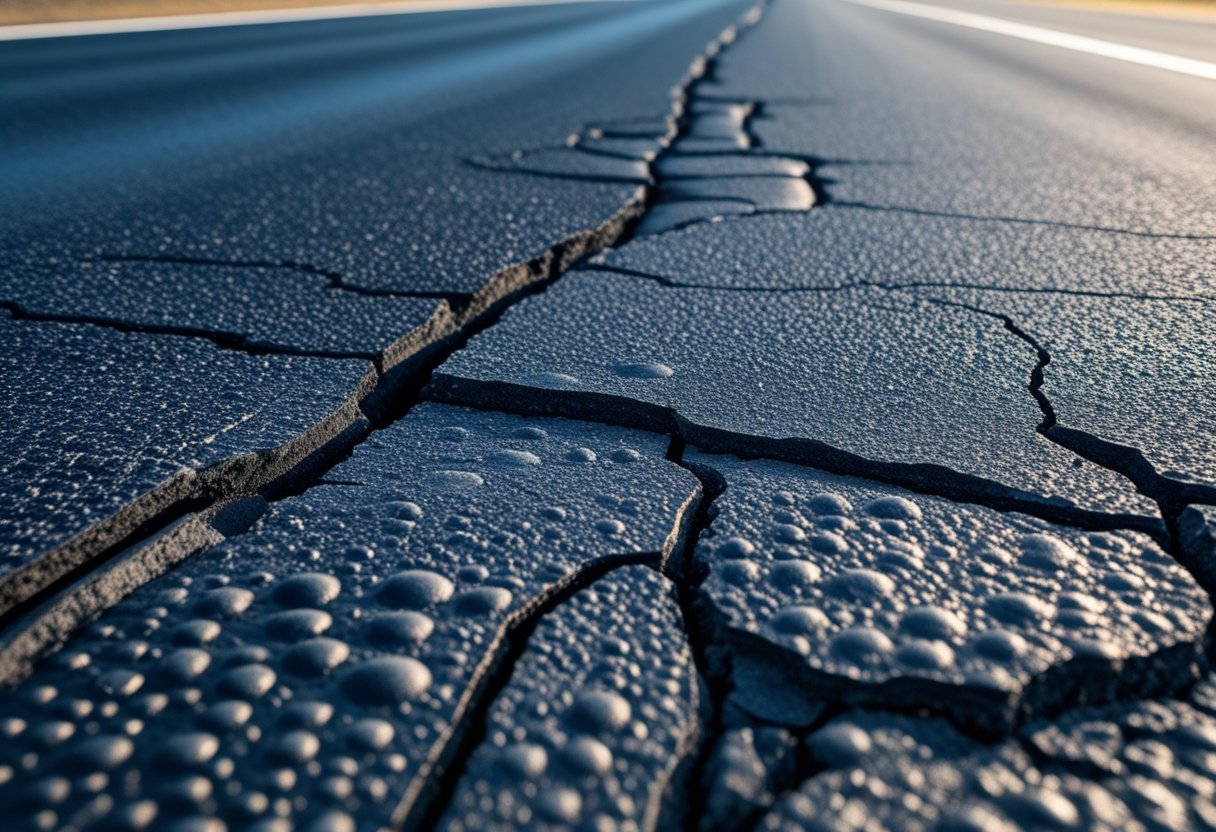
We focus on three main causes that create bumps: water-related problems, weak or poorly compacted base layers, and material or installation defects. Each cause shows distinct signs we can check and repair.
Poor Drainage and Water Pooling
Poor drainage and standing water speed up pavement failure. Water pools on low spots or along edges, so water infiltration soaks the base. That softens the base support and allows the asphalt to deform under traffic.
We look for clogged drains, missing slopes, or poor grading near the pavement. Surface depressions and long-lasting puddles after rain point to drainage problems. Repeated water exposure also worsens freeze-thaw cycles and thermal expansion damage.
Fixes include regrading for positive slope, installing or clearing drains, and adding permeable edges. We must also seal cracks so water cannot enter the asphalt binder and reach the base support.
Inadequate Compaction and Base Support
Poor compaction and a weak base let the pavement move and form bumps. If the aggregate base is not compacted to spec, loads from vehicles compress it unevenly. That creates settled areas that show as surface bumps.
We inspect compaction records, base thickness, and test density where possible. Thin asphalt overlays over a soft base often hide base failures until bumps appear. Heavy traffic on under-compacted areas accelerates deformation.
Repair usually requires removing the failed asphalt, reconstructing the base with proper materials and thickness, and using correct compaction techniques and equipment. Proper compaction of both base and asphalt lift prevents future surface movement.
Material and Installation Deficiencies
Bad asphalt jobs and wrong asphalt mix cause surface bumps even when drainage and base seem fine. Using a binder or aggregate that does not match the project, or placing asphalt at the wrong temperature, reduces pavement strength. Inconsistent asphalt thickness and poor joint work produce weak spots that deform.
We check mix design, binder grade, placement temperature, and paving crew practices. Signs include ragged joints, variable lift thickness, and uneven texture. Temperature fluctuations and freeze-thaw cycles make weak mixes fail faster.
Correcting these issues means milling and repaving with the right asphalt mix, ensuring proper placement temperatures, and using trained crews. Quality control during installation prevents many material-related bumps.
Key Symptoms and Progression of Asphalt Compromise
We describe the main signs that asphalt is failing and show how small defects grow into larger safety and repair problems. Watch for patterns of cracking, loss of surface material, sinking spots, and edge breakdown.
Development of Cracks and Depressions
We first spot hairline cracks and linear cracks running along traffic paths or perpendicular to joints. Hairline cracks are thin and often start from shrinkage or minor thermal movement. Linear cracks can follow seams, reflect movement under load, or show where subgrade support is weak.
Alligator cracks form when the base has failed and the surface looks like a reptile skin pattern. These indicate structural failure and need more than surface repair. Depressions develop where the underlying base compresses, producing shallow bowls that collect water and speed up deterioration. We prioritize crack sealing for thin cracks and plan full-depth repairs when alligator cracking or repeated depressions appear.
Raveling, Fading, and Surface Texture Changes
Raveling happens when binder loss lets aggregate loosen and wash away, leaving gritty, rough patches. We see loose gravel and exposed stones, which reduce skid resistance and increase wear on vehicles. Raveling often follows UV damage and oxidation that take the asphalt binder’s stickiness away.
Color fading shows binder oxidation from sun exposure; the surface turns lighter and chalky. Texture changes include smoothing in high-traffic lanes or roughening where raveling begins. We treat early raveling with surface treatments or sealcoats to restore binder; severe loss of aggregate requires overlay or removal and replacement.
Formation of Potholes and Advanced Deterioration
Potholes start as cracks and depressions that trap water. Freeze-thaw cycles or repeated traffic forces water into openings, heaving and breaking the edges. We see potholes grow quickly once the surrounding asphalt disintegrates into loose aggregate.
Potholes signal advanced pavement deterioration and often need patching or full reconstruction. Temporary pothole repairs use cold patch or hot mix, but long-term fixes require cutting out damaged areas and rebuilding the base. We track pothole recurrence as a measure of deeper structural problems and schedule permanent repairs based on extent and traffic load.
Edge and Joint Distress
Edge cracks form where pavement meets uncompacted shoulders or soft soil. We notice edges crumbling, dropping, or breaking into chunks under vehicle overhangs. This type of edge distress accelerates because water and traffic exploit the weak support.
Joint distress occurs at seams between lanes, drives, or previous patches. Linear cracks along joints often indicate poor compaction or movement. We use crack filling for isolated joint cracks but plan reconstruction when edges or joints show wide openings, shifting, or combined alligator cracking nearby.
Professional Solutions and Preventative Maintenance
We focus on fixes that stop bumps from returning and on routines that slow new damage. We prioritize the right repair method, good materials, and regular checks to protect parking lots and driveways.
Repair Strategies for Surface Bumps and Underlying Problems
We start by diagnosing whether the bump is a surface issue or a deeper failure. For shallow bumps caused by oxidized asphalt or small ruts, asphalt repair like patching and localized resurfacing works well. For potholes, we use hot mix patching or full-depth pothole repair methods that clean, tack, and compact material to prevent quick reappearance.
If the base has failed, we perform base reconstruction or full-depth repair. That can mean removing the failed layer, rebuilding the base with aggregate, and repaving. We sometimes recommend complete replacement when widespread cracking, multiple bumps, or sinking indicate structural failure.
We match methods to traffic load and budget. For long-term solutions, we prefer high-quality asphalt mixes and proper compaction. For areas next to concrete borders, we ensure joints and edges are sealed and tied in to avoid edge break. Every repair includes compaction, edge treatment, and a final leveling pass to restore smooth drainage.
Importance of Regular Assessments and Timely Intervention
We schedule professional assessment at least once a year for commercial sites and after major storms. Regular inspections catch small cracks, base settlement, and drainage problems before they become bumps or potholes. Early crack sealing and spot repairs reduce the need for expensive full-depth repairs.
We document pavement condition with photos and notes to track deterioration. When we find standing water, subgrade soft spots, or recurring edge failures, we act quickly to repair and adjust drainage. Timely sealcoating and seal coating services every 2-4 years slow oxidation and extend the life of asphalt. Preventative maintenance lowers long-term costs and keeps parking lots safe and attractive.
Choosing Quality Materials and Experienced Contractors
We pick contractors who specialize in asphalt paving and have proven experience with parking lots, pothole repairs, and resurfacing projects. Look for contractors with references, a portfolio of similar jobs, and proper equipment for hot mix asphalt and compaction. Certified crews help ensure proper mat density and seam integrity.
We insist on high-quality materials: polymer-modified binders for durability, dense-graded mixes for heavy traffic, and reliable tack coats for overlays. For sealcoating services, we use coal-tar or asphalt-based sealers appropriate to the site and climate. Contracts should include warranties, scope of work, and testing like core samples or nuclear density readings when base work is performed.