Alligator cracking in asphalt can signal deeper pavement problems that need attention. The pattern looks like reptile scales, but it’s actually a sign of structural failure beneath the surface. We can identify alligator cracking by spotting groups of small, connected cracks that form a web-like pattern across the pavement.
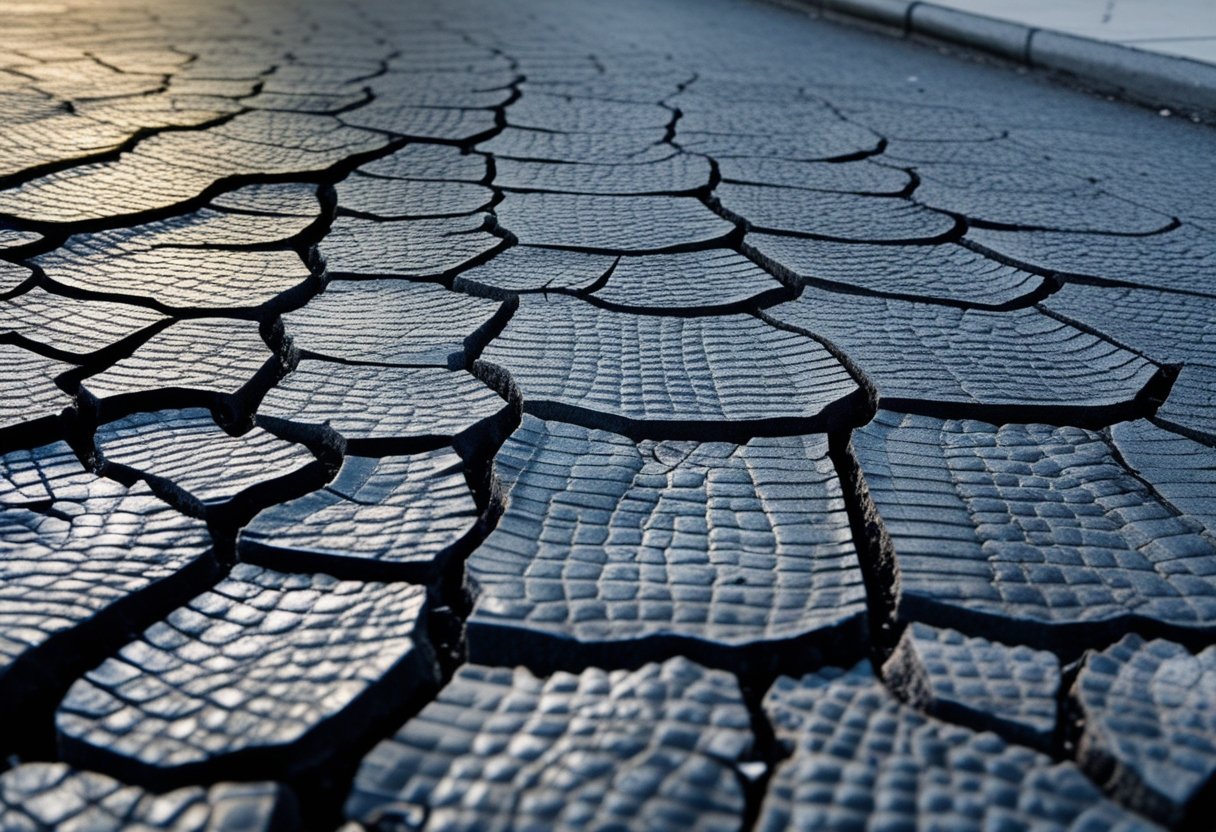
When we understand what causes these cracks, we can take steps to fix them early and prevent further damage. Factors like heavy traffic, poor drainage, or a weak base often lead to this type of cracking. Knowing how to assess the damage helps us choose the right repair method.
By learning how to identify, assess, and repair alligator cracking, we protect our pavement investment and extend its life. Each step; from spotting early signs to applying effective repairs; helps us maintain safer, longer-lasting asphalt surfaces.
Understanding Alligator Cracking in Asphalt
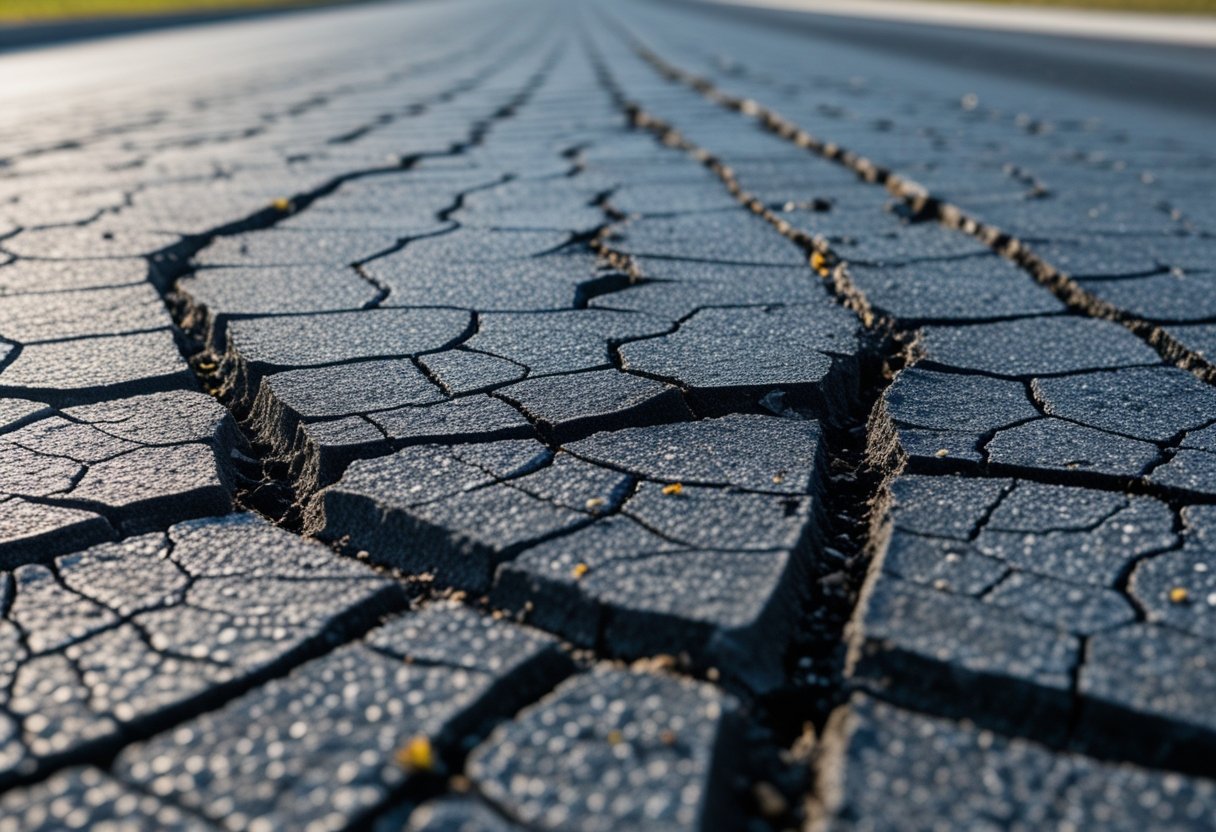
We recognize alligator cracking as a clear sign of structural failure in asphalt pavement. It often starts small but spreads quickly when the base or subgrade weakens. Identifying its form, location, and severity helps us decide the right repair method and prevent further damage.
Defining Alligator Cracks
Alligator cracks, sometimes called fatigue cracks, form a pattern that looks like reptile skin. They usually begin as small, thin lines that connect over time into larger, irregular shapes. This type of cracking signals that the pavement’s load-bearing capacity has declined.
We often see these cracks when repeated traffic loads cause the asphalt to bend and lose flexibility. The surface layer can no longer distribute weight evenly, leading to stress and separation in the material.
Key causes include:
- Weak or thin pavement base
- Poor drainage that softens the subgrade
- Heavy or repeated traffic loads
- Aging asphalt that has lost elasticity
Once we see this cracking pattern, sealing or patching alone will not solve the problem. The damage usually reaches deep into the pavement layers and requires structural repair.
Common Locations and Patterns
Alligator cracking in asphalt pavements often appears in areas under repeated wheel paths. These sections carry the most stress and show early signs of fatigue. Parking lots, drive lanes, and intersections are common places where the cracks first appear.
The pattern usually starts as longitudinal cracks that run parallel to traffic. As stress continues, transverse cracks connect them, forming small blocks or polygons. Over time, these blocks break apart, creating loose pieces that can ravel or crumble under traffic.
We can often use a simple table to identify typical patterns:
| Crack Type | Appearance | Common Area |
|---|---|---|
| Longitudinal | Parallel lines | Wheel paths |
| Transverse | Across lanes | Cross traffic areas |
| Interconnected | Block-like | Heavily loaded zones |
Recognizing these patterns early helps us plan timely maintenance before the pavement loses structural integrity.
Severity Levels of Cracking
We classify alligator cracking by severity: low, moderate, or high. This helps us choose the right repair method and estimate the pavement’s remaining life.
- Low severity: Small, thin cracks with little or no movement. The surface is mostly intact.
- Moderate severity: Cracks are more connected, and small pieces may loosen under traffic.
- High severity: Large, deep cracks with missing pieces and visible base exposure.
Low-severity cracking may be treated with surface sealing or thin overlays. Moderate cracking often requires partial-depth patching. High-severity areas usually need full-depth reconstruction to restore strength.
We base these ratings on crack width, spacing, and the extent of surface breakup. Accurate assessment ensures we apply the most effective and lasting repair.
Primary Causes of Alligator Cracking
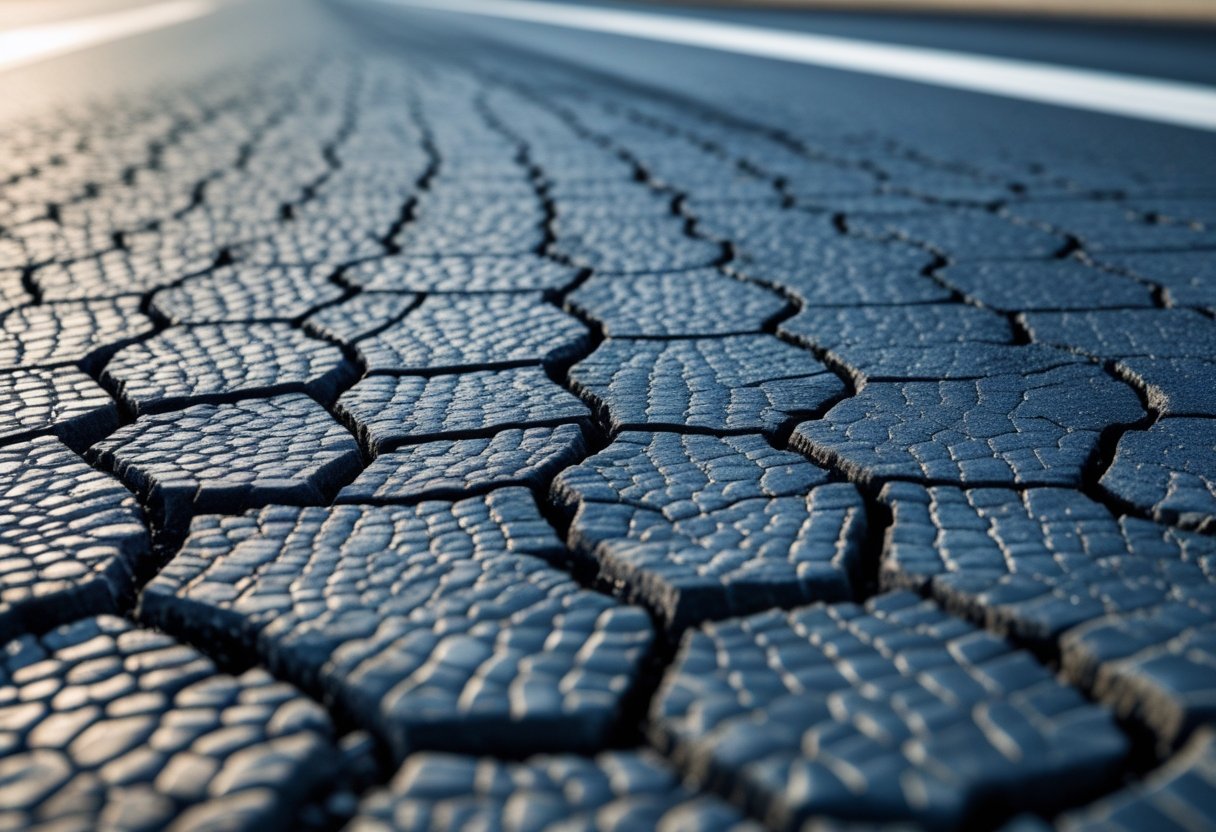
Alligator cracking often develops when asphalt pavements face repeated stress, poor water control, or weak structural layers. These factors reduce the pavement’s strength and flexibility, leading to surface fatigue and cracking patterns that spread over time.
Excessive Load and Traffic Stress
Heavy traffic and overloaded vehicles place high pressure on asphalt pavement. When the pavement’s design does not match the load it carries, stress builds up in the surface and base layers. Over time, this repeated strain weakens the asphalt and forms interconnected cracks.
We often see this near truck routes, bus stops, and loading areas. Each wheel pass slightly bends the pavement, and when the asphalt can no longer recover, it begins to fracture.
Key signs include:
- Cracks forming in wheel paths
- Depressions under heavy traffic zones
- Early fatigue failure in thin pavements
Proper load management and pavement thickness design help reduce this problem.
Poor Drainage and Moisture Issues
Water weakens asphalt pavement by softening the base and subgrade layers. When drainage is poor, moisture collects under the surface and lowers the material’s strength. This causes the pavement to flex more under traffic, which speeds up cracking.
We notice this issue in areas with standing water or clogged ditches. Water seeps through small surface cracks and expands them during freeze-thaw cycles.
Common drainage problems include:
- Blocked or undersized drains
- Inadequate slope for runoff
- Cracked or rutted surfaces that trap water
Maintaining proper drainage and sealing small cracks early helps prevent moisture damage.
Weak Subgrade and Base Layers
A strong subgrade and base support the asphalt surface and spread traffic loads evenly. If these layers are weak, uneven, or poorly compacted, the pavement bends too much under stress. This bending leads to fatigue and cracking that resemble alligator skin.
We often find weak subgrades in soils with high clay or moisture content. Inadequate compaction or contamination during construction can also reduce strength.
Indicators of weak support layers:
- Uneven settlement
- Rapid crack growth after installation
- Soft spots during construction testing
Reinforcing or stabilizing the base before paving is essential for lasting pavement performance.
Improper Asphalt Installation
Alligator cracking can also result from poor construction practices. If the asphalt mix is not properly designed or compacted, it will not have enough strength to handle traffic loads. Temperature errors during paving can cause weak bonds between layers.
We see this when paving crews rush compaction or use the wrong mix temperature. Thin or uneven asphalt layers are especially prone to cracking.
Frequent installation errors:
| Issue | Result |
|---|---|
| Low compaction | Weak, porous surface |
| Incorrect mix design | Reduced flexibility |
| Uneven layer thickness | Stress concentration |
Following correct paving methods and quality control standards helps prevent early cracking.
Identifying and Assessing Alligator Cracking
We identify alligator cracking by examining the surface pattern, measuring the extent of damage, and determining if deeper structural problems exist. We use clear visual methods, rating systems, and field observations to decide the best repair approach.
Visual Inspection Techniques
We start by walking the pavement and looking for the telltale pattern of interconnected cracks that resemble an alligator’s skin. These cracks usually appear in areas with heavy traffic or poor drainage.
We record the location, size, and shape of the crack clusters. A grid pattern of small cracks often indicates surface fatigue, while larger, irregular cracks may suggest deeper structural distress.
To improve accuracy, we use simple tools like measuring tapes, crack width gauges, and digital photos for documentation. We note the crack width (in millimeters) and the area affected (in square feet or meters).
| Crack Width | Typical Condition | Recommended Action |
|---|---|---|
| < 1/4 inch | Minor surface wear | Seal or monitor |
| 1/4-1/2 inch | Moderate fatigue | Patch or overlay |
| > 1/2 inch | Severe failure | Full-depth repair |
We also check for loose aggregate, raveling, and potholes, which often form when alligator cracks allow water to enter and weaken the base layer.
Evaluating Crack Severity
We classify alligator cracking into low, moderate, or high severity based on how much of the surface is affected and how deep the cracks go.
- Low severity: Small cracks with little or no surface deformation. The pavement is still stable.
- Moderate severity: Cracks connect across larger areas, and the surface may start to loosen.
- High severity: Blocks of asphalt break apart, and potholes begin forming.
We measure the percentage of the affected area to rate severity. For example, if more than 25% of a lane shows cracking, we consider it a structural issue.
We also look for edge failures or rutting, which show that the problem extends below the surface. Accurate severity ratings help us plan cost-effective repairs.
Recognizing Underlying Structural Issues
Alligator cracking often signals fatigue failure in the asphalt base or subgrade. When we see widespread cracking, we know the problem is not just at the surface.
We check for poor drainage, thin pavement layers, and weak base materials. Standing water and soft spots under the pavement usually confirm structural weakness.
We may use core samples or deflection testing to measure the strength of the layers. These tests show if the base has lost support or if the asphalt binder has aged and become brittle.
If the cracks align with wheel paths, the cause is often repeated traffic loading. When cracks appear outside those paths, subgrade settlement or moisture infiltration may be the main factor.
By identifying these underlying issues, we can decide if the pavement needs surface patching or a full-depth reconstruction to restore long-term performance.
Effective Repair and Prevention Methods
We can extend the life of asphalt by choosing the right repair method and maintaining it regularly. Each approach depends on the damage level, from sealing small cracks to replacing entire sections of pavement.
Crack Filler and Surface Sealing
When cracks first appear, we should act quickly before water seeps below the surface. Using a crack filler helps seal narrow openings and stop moisture from weakening the base layer. We can apply cold-pour or hot-pour filler depending on weather and crack width.
After filling, applying a seal coat adds a protective layer over the asphalt. This barrier reduces oxidation, blocks water, and prevents small cracks from growing. Seal coating also helps maintain a uniform surface color and texture.
We must clean the surface before sealing. Dirt, oil, or vegetation can prevent filler from bonding. Regular sealing every few years keeps pavement flexible and slows deterioration.
Using Gator Patch and Asphalt Patch
When surface cracking forms a pattern similar to alligator skin, simple crack filler is not enough. Gator patch is designed for these areas. It fills the network of cracks and creates a smooth, solid surface once cured.
We should clean the damaged area thoroughly and remove loose debris before applying gator patch. The mix spreads easily with a squeegee and levels out as it dries. It works best for shallow cracks that do not extend deep into the base.
For deeper or localized damage, an asphalt patch provides a stronger repair. We can use cold-mix asphalt for small jobs or hot-mix for larger sections. Compacting the patch properly ensures good bonding and prevents future cracking.
Full-Depth Asphalt Repair
When the base layer is damaged, surface treatments will not hold. In that case, we must perform a full-depth asphalt repair. This process removes the cracked asphalt and weak base material until we reach solid ground.
We then rebuild the base with compacted aggregate and install new asphalt layers. This method restores structural strength and provides a long-term fix for severe alligator cracking. Although it costs more, it prevents repeated patching and extends pavement life.
We should check drainage and soil conditions during repair. Poor drainage often causes base failure, so correcting it helps prevent future damage.
Prevent Alligator Cracking with Maintenance
Regular maintenance is the best way to prevent alligator cracking. We should inspect pavement at least twice a year and fix small cracks right away. Keeping water out of the base layer is the most effective protection.
Routine seal coating, cleaning, and edge repair reduce stress and wear. Heavy traffic areas may need more frequent inspections. We should also manage loads by limiting overweight vehicles that strain the surface.
A simple maintenance plan can include:
| Task | Frequency | Purpose |
|---|---|---|
| Crack sealing | Every 1-2 years | Block moisture entry |
| Seal coating | Every 3-5 years | Protect surface from oxidation |
| Drainage check | Annually | Prevent base weakening |
By staying consistent with these steps, we maintain stronger, longer-lasting asphalt surfaces.