You want pavement that lasts and costs less over time. We focus on simple, regular asphalt care because it prevents small problems from becoming expensive repairs. By doing routine maintenance like sealing cracks and timely resurfacing, we cut long-term costs and extend pavement life.
We will show how regular upkeep saves money, which maintenance steps give the best return, and how quick fixes protect value and the environment. Follow our guide to spot risks early and pick the right actions so your pavement stays safe and affordable for years.
The Financial Impact of Regular Asphalt Maintenance
We reduce long-term costs by treating small pavement issues early, using scheduled preventive maintenance, and planning budgets to avoid large reconstruction bills. Regular maintenance saves money on repairs and keeps roadways and parking lots safe and functional.
Reducing Long-Term Asphalt Repair Expenses
We spot and fix surface cracks, potholes, and water entry points before they grow into structural damage. Sealing cracks, applying sealcoat, and doing targeted overlays cost a fraction of full-depth repairs. For example, a crack-seal treatment might cost $0.10-$0.50 per square foot, while full reconstruction can exceed $3.00-$7.00 per square foot.
Doing preventive asphalt maintenance every 3-5 years extends pavement life by 5-10 years in many cases. That delay reduces frequency of reactive repairs and major projects, cutting lifecycle costs. We also reduce liability and operational disruption when we maintain parking lots and roadways proactively.
Cost Comparison: Preventive Maintenance vs. Major Reconstruction
Preventive maintenance focuses on low-cost, high-frequency actions: crack sealing, sealcoating, and patching. These actions preserve the surface and cost much less upfront. Major reconstruction requires milling, full-depth replacement, and new base material, which drives labor, materials, and traffic control costs up sharply.
Studies show preventive programs can lower lifecycle costs by 30-60% compared to reactive strategies. For a 50,000 sq ft lot, preventive work might run $2,500-$25,000 per treatment cycle, versus $150,000-$350,000 for full reconstruction. We should track condition ratings and schedule treatments to maximize return on every dollar spent.
Budgeting Strategies for Ongoing Maintenance
We create a multi-year maintenance plan that ties treatments to pavement condition and budget cycles. Start with a baseline survey, assign condition scores, and map out actions by year: year 1 crack seal, year 3 sealcoat, year 6 overlay. This staged plan spreads costs and prevents emergency spending.
Use a dedicated maintenance fund or line-item in capital budgets to avoid deferred work. Estimate costs using unit prices (sealcoat $0.10-$0.30/sq ft; overlay $1.00-$3.00/sq ft) and include contingency for weather or supply changes. Regular inspections and simple metrics (cost per sq ft per year) keep us on target and show clear economic benefits to stakeholders.
Key Preventative Maintenance Techniques for Cost Savings
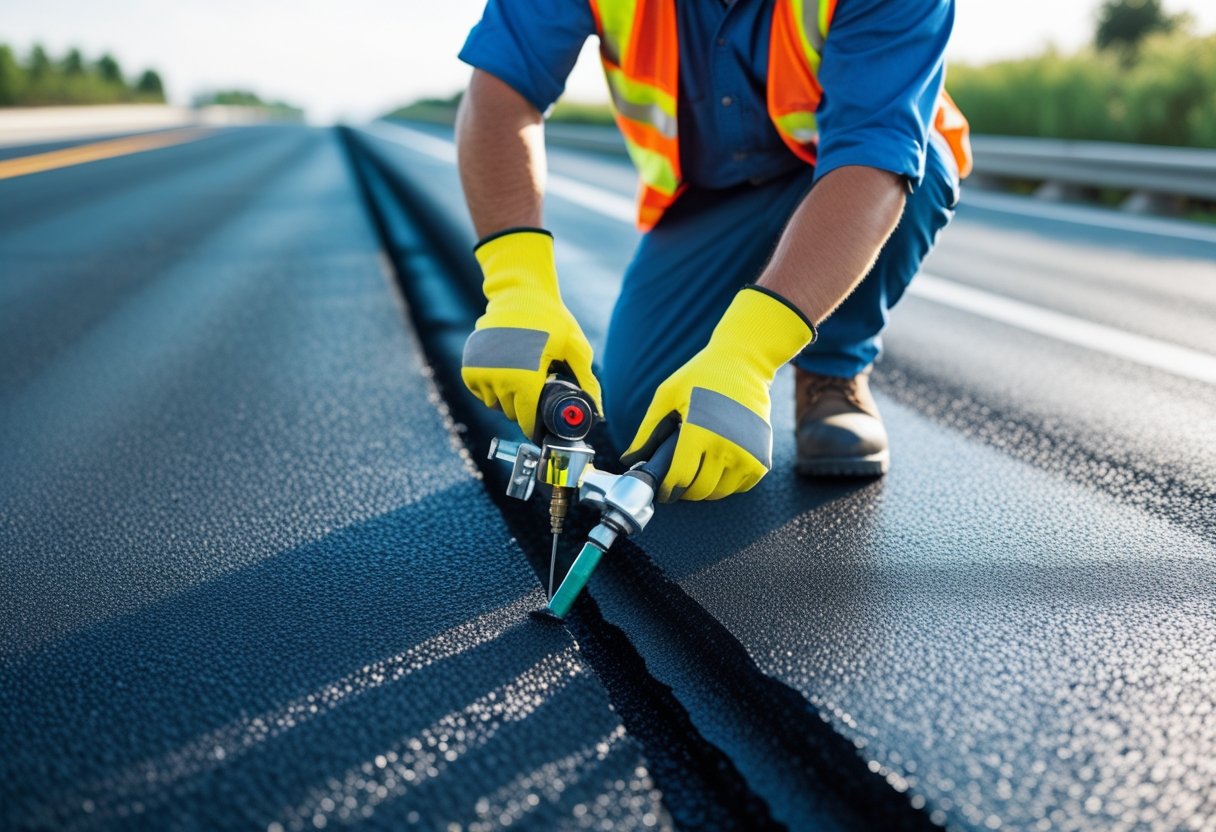
We focus on routine actions that stop small problems from becoming expensive repairs. The most important steps are protecting the surface, stopping water intrusion, and fixing cracks early.
Sealcoating and Its Role in Extending Pavement Life
We apply sealcoating to create a protective layer over asphalt surfaces that blocks oxidation from sun and air. A good sealcoat filling surface voids reduces surface wear and slows binder loss, which helps pavement last longer.
We schedule sealcoat every 2-4 years for most parking lots and driveways. We choose coal-tar or asphalt-based sealcoats based on expected traffic, oil exposure, and local regulations. Proper surface prep matters: clean debris, repair oil spots, and ensure cracks are addressed before sealing.
Benefits include reduced need for full-depth resurfacing and fewer potholes. Sealcoating also improves appearance, which can reduce liability risks from poor visibility. We track coating dates and reapply before more than 10-15% of aggregate is exposed.
Crack Sealing and Crack Filling for Surface Protection
We distinguish crack sealing (hot-applied, routed cracks) from crack filling (cold-applied, non-routed). Crack sealing creates a flexible bond that moves with the pavement and lasts longer. Crack filling is a faster, lower-cost fix for non-working cracks.
We prioritize cracks wider than 1/8 inch or those showing water infiltration. We clean and dry cracks, rout when needed, and use a hot rubberized sealant for active cracks. For hairline or non-working cracks, we use an ASTM-compliant cold pour filler.
Timely crack treatment prevents water from reaching base layers, cutting the risk of potholes and base failure. Properly sealed cracks reduce freeze-thaw damage and lower asphalt repair frequency over the pavement life.
Effective Drainage Solutions and Catch Basins
We design drainage to move water off asphalt quickly to prevent saturation and base erosion. Surface grading of 1-2% and well-placed catch basins protect pavements from standing water and pooling at curbs.
We inspect and clean catch basins and grates twice a year and after big storms. Clogged basins cause water to stay on the surface and accelerate asphalt breakdown. We repair or replace damaged inlets, ensure sump depths are correct, and seal joints to prevent undermining.
We also use edge drains, swales, and French drains where slopes or soil conditions trap water. Good drainage reduces the need for asphalt repair and preserves the binder, saving money on long-term preventative maintenance.
Extended Benefits: Lifespan, Value, and Sustainability
Regular care reduces cracking, prevents water damage, and slows asphalt aging. We keep pavement serviceable longer, increase curb appeal, and lower long-term costs.
Maximizing Pavement Lifespan and Durability
We extend pavement lifespan by sealing cracks, applying sealcoat, and repairing base failures quickly. Small cracks let water reach the base and cause potholes; fixing them within months prevents larger repairs that shorten asphalt longevity.
A typical maintenance schedule; sealcoat every 3-5 years, crackfill as needed, and mill-and-overlay at 12-20 years; pushes pavement lifespan toward the high end of industry expectations. We also monitor drainage and load patterns to reduce stress on surfaces.
Materials matter: quality asphalt mix and proper compaction reduce oxidation and rutting. These steps lower the rate of asphalt damage and preserve structural integrity so we avoid costly full-depth reconstruction.
Boosting Property Value and Curb Appeal
Well-maintained asphalt improves first impressions and signals good asset management to buyers and tenants. We see property value increases when driveways, parking areas, and access roads look uniform and free of cracks or potholes.
Curb appeal also affects lease rates and sales price. A clean, smooth surface can support higher asking rents for commercial sites and better resale prices for homes.
Simple upgrades; fresh striping, clean edges, and periodic sealcoating; deliver measurable returns by reducing visible wear and making lots safer and easier to use.
Environmental and Economic Advantages of Asphalt Recycling
We save money and resources by using Reclaimed Asphalt Pavement (RAP) in new mixes. RAP lowers raw binder and aggregate needs, reducing material costs and cuttings sent to landfill.
Recycling also reduces greenhouse gas emissions from aggregate mining and binder production. Specs commonly allow 15-30% RAP in surface mixes and higher percentages in base layers without harming performance.
Using RAP supports sustainability goals and can lower lifecycle costs. When we design mixes and maintenance plans around recycling, we reduce both environmental impact and long-term capital expenses.
Addressing Common Threats and Timely Repairs
We focus on common causes of asphalt damage and on repair steps that save money and extend pavement life. Timely action on potholes, early warning signs, and safety issues helps prevent bigger repairs later.
Dealing with Potholes and Freeze-Thaw Cycles
Potholes form when water soaks cracks and freezes, then thaws and weakens the asphalt. We inspect after winter and heavy rains to find soft spots and crumbling edges early.
For repairs, we use hot-mix or cold-patch methods depending on season and traffic. Hot-mix creates a longer-lasting fix for driveways and asphalt pavement, while cold-patch is a temporary option for quick residential driveway repairs in cold weather.
We also improve drainage and seal cracks to stop water from repeating the damage. Proper compaction and edge trimming during repair reduce the chance of the pothole returning.
Recognizing Early Warning Signs of Asphalt Deterioration
We look for these signs: hairline cracks, alligator cracking, raveling (loose aggregate), and depressions. Each sign points to a different problem and a specific repair need.
Crack sealing works well for narrow cracks before they widen. Large interconnected cracks (alligator cracking) usually mean structural failure and need milling and resurfacing.
Pooled water, pothole seeds, and loose stone show that the asphalt binder has failed. We record these signs and prioritize repairs by risk and cost to prevent pavement from getting worse.
Importance of Timely Asphalt Repairs for Safety
Timely asphalt repairs reduce trip hazards, protect vehicle tires and suspensions, and lower liability risk for property owners. We address damaged edges, potholes, and uneven pavement quickly to keep driveways safe.
For residential driveways, we schedule repairs during dry conditions and avoid temporary fixes that might worsen with freeze-thaw cycles. Proper repairs also restore skid resistance and clear drainage, which further improves safety.
We track repair dates and materials used so future maintenance follows a consistent plan. That record helps us predict when sealcoating, overlays, or full replacement will be needed.